
Fall Hazards for Pets: From Mushrooms to Moldy Leaves
Fall is a magical time of year—crisp air, colorful foliage, and plenty of outdoor adventures with your furry companion. But as beautiful as autumn is, it also brings hidden dangers that many pet parents overlook. From toxic mushrooms sprouting in your backyard to decomposing leaves harboring harmful bacteria, fall presents unique hazards that can seriously threaten your pet's health.
Understanding these seasonal risks is essential for keeping your dog or cat safe during those cozy autumn walks and backyard play sessions. Let's explore the most common fall hazards and how to protect your pet this season.
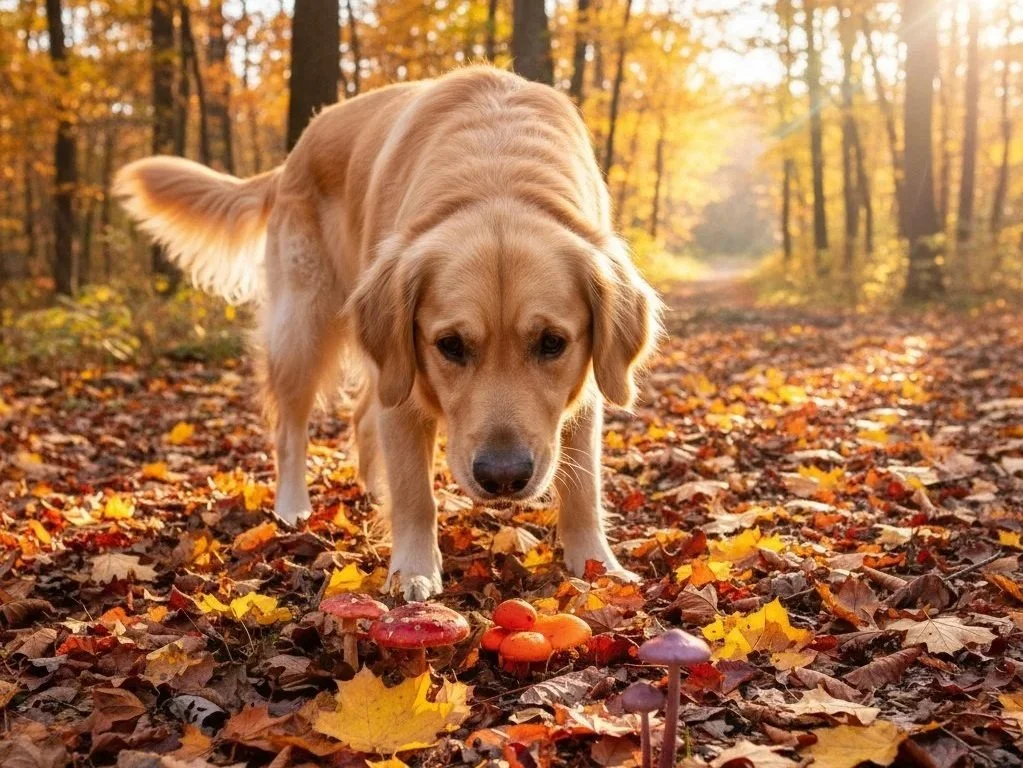
The Hidden Danger of Wild Mushrooms
Fall's damp conditions create the perfect environment for mushrooms to pop up seemingly overnight—in your yard, on hiking trails, and in parks. While many mushrooms are harmless, others are extremely toxic to pets, and distinguishing between safe and dangerous varieties is nearly impossible for the average pet parent.
Why mushrooms are so dangerous:
Toxic mushrooms can cause liver failure, kidney damage, neurological symptoms, and even death
Symptoms may not appear for 6-24 hours after ingestion, delaying critical treatment
Even small amounts of certain species can be fatal
Dogs are especially at risk because they explore with their mouths
Common toxic mushroom species in fall:
Amanita species (Death Cap, Destroying Angel)
Galerina species
Inocybe and Clitocybe species
False Morel
What to do: Regularly inspect your yard for mushrooms and remove them immediately, roots and all. On walks, keep your dog on a short leash and watch for foraging behavior. If you suspect your pet has eaten a mushroom, contact your veterinarian or emergency vet immediately—don't wait for symptoms to appear.
Moldy Leaves and Compost Piles: A Toxic Combination
That pile of decomposing leaves in your backyard might seem harmless, but it can harbor mycotoxins—toxic substances produced by mold that grows on decaying organic matter. Compost piles are particularly dangerous because they concentrate these toxins.
Mycotoxin poisoning symptoms:
Tremors and seizures
Vomiting and diarrhea
Hyperthermia (elevated body temperature)
Weakness and collapse
Agitation or hyperactivity
Dogs are most commonly affected because they're drawn to the earthy smell of decomposing matter and may dig through or eat moldy leaves and compost.
Prevention tips:
Keep compost bins securely covered and inaccessible to pets
Rake and dispose of fallen leaves regularly
Don't let your dog dig in leaf piles or mulch
Supervise outdoor time, especially in wooded areas
Acorns and Other Fall Nuts
Acorns are everywhere in fall, and while they might look like fun toys for your dog, they pose multiple risks. Oak trees drop thousands of acorns each autumn, making them nearly impossible to avoid during walks.
Dangers of acorns:
Toxicity: Acorns contain tannins that can cause gastrointestinal upset and, in large quantities, kidney damage
Choking hazard: Small dogs and puppies can choke on whole acorns
Intestinal blockage: Acorn shells don't digest and can cause dangerous obstructions
Symptoms of acorn poisoning:
Vomiting and diarrhea (sometimes bloody)
Abdominal pain
Loss of appetite
Lethargy
Increased thirst and urination (kidney damage)
Black walnuts present similar risks and are also toxic to dogs. If your pet shows any symptoms after eating acorns or walnuts, seek veterinary care immediately.
Seasonal Rodenticides and Pesticides
As temperatures drop, rodents seek warmth indoors, leading many homeowners to set out rat poison and other pest control products. Fall is peak season for rodenticide exposure in pets.
Why fall increases risk:
More people use rodenticides as mice and rats move indoors
Poisoned rodents may die in accessible areas where pets can find them (secondary poisoning)
Outdoor bait stations may be disturbed by weather or curious pets
Common rodenticide symptoms:
Bleeding (from anticoagulant poisons)
Neurological symptoms like tremors or seizures
Difficulty breathing
Weakness and lethargy
Safe alternatives: Use pet-safe pest control methods like snap traps, ultrasonic devices, or natural deterrents. If you must use rodenticides, place them in areas completely inaccessible to pets and monitor closely.
Antifreeze: The Sweet Poison
Though antifreeze is a year-round danger, fall is when many people top off or change their vehicle's coolant in preparation for winter. Ethylene glycol, the active ingredient in most antifreeze products, has a sweet taste that attracts pets—and just a tiny amount can be fatal.
Lethal doses:
Dogs: As little as 1 teaspoon per 10 pounds of body weight
Cats: Less than 1 teaspoon can be fatal
Symptoms appear in stages:
Stage 1 (30 minutes - 12 hours): Appearing drunk, vomiting, excessive thirst
Stage 2 (12-24 hours): Symptoms may seem to improve
Stage 3 (24-72 hours): Severe kidney failure, often fatal
Antifreeze poisoning is a true emergency. If you even suspect exposure, get to a veterinarian immediately—treatment is most effective within the first few hours.
Prevention: Clean up any antifreeze spills immediately, store containers securely, and consider switching to pet-safe propylene glycol antifreeze.
Seasonal Plants and Bulbs
Fall gardening means planting spring bulbs, and many popular varieties are toxic to pets:
Autumn crocus: Extremely toxic, can cause organ damage and death
Tulip and daffodil bulbs: Cause vomiting, diarrhea, and cardiac issues
Chrysanthemums: Cause drooling, vomiting, and diarrhea
Amaryllis: Toxic, especially the bulb
Freshly planted bulbs are especially tempting to dogs who love to dig. The highest concentration of toxins is in the bulb itself, making fall planting time particularly risky.
What to Do If Your Pet Ingests Something Toxic
Immediate steps:
Remove your pet from the source of exposure
Try to identify what they ingested (take a photo if possible)
Call your veterinarian or emergency vet immediately
Contact the ASPCA Animal Poison Control Center: (888) 426-4435
Do NOT induce vomiting unless specifically instructed by a veterinarian
Information to have ready:
Your pet's weight
What they ingested and approximately how much
When it happened
Any symptoms you're observing
Creating a Safe Fall Environment
Prevention is always better than treatment. Here's how to pet-proof your fall:
Yard maintenance:
Remove mushrooms daily
Rake and dispose of leaves regularly
Secure compost bins with locks
Clear fallen acorns and walnuts
Fence off freshly planted bulb areas
On walks:
Keep your dog on a short leash in wooded areas
Train a solid "leave it" command
Avoid areas with heavy leaf litter or visible mushrooms
Watch for foraging behavior and redirect immediately
Indoor safety:
Store all chemicals, pesticides, and antifreeze in locked cabinets
Clean up spills immediately
Use pet-safe alternatives whenever possible
When to Seek Veterinary Care
Some symptoms require immediate emergency care:
Seizures or tremors
Difficulty breathing
Collapse or inability to stand
Bloody vomit or diarrhea
Extreme lethargy or unresponsiveness
Known ingestion of toxic substances
For less urgent concerns—like mild stomach upset or questions about potential exposure—having quick access to veterinary advice can provide peace of mind and help you determine if an emergency visit is necessary.
Have questions about something your pet ate or symptoms you're noticing? Connect with a licensed veterinarian instantly on CanopyVet for expert guidance when you need it most.
The Bottom Line
Fall is a beautiful season to enjoy with your pet, but awareness of seasonal hazards is essential for keeping them safe. By understanding the risks—from toxic mushrooms and moldy leaves to antifreeze and fall plants—you can take proactive steps to prevent exposure and know what to do in an emergency.
Regular yard maintenance, vigilant supervision during outdoor time, and quick action when something goes wrong are your best defenses against fall's hidden dangers. Stay informed, stay alert, and enjoy a safe and happy autumn with your furry family member.
