
Is Your Pet Ready for Cooler Weather? Fall Health Checklist
As temperatures drop and days grow shorter, fall brings more than just beautiful foliage—it also brings seasonal changes that can affect your pet's health and comfort. From coat changes to joint stiffness, the transition from summer to autumn requires some adjustments to keep your furry companion healthy and happy.
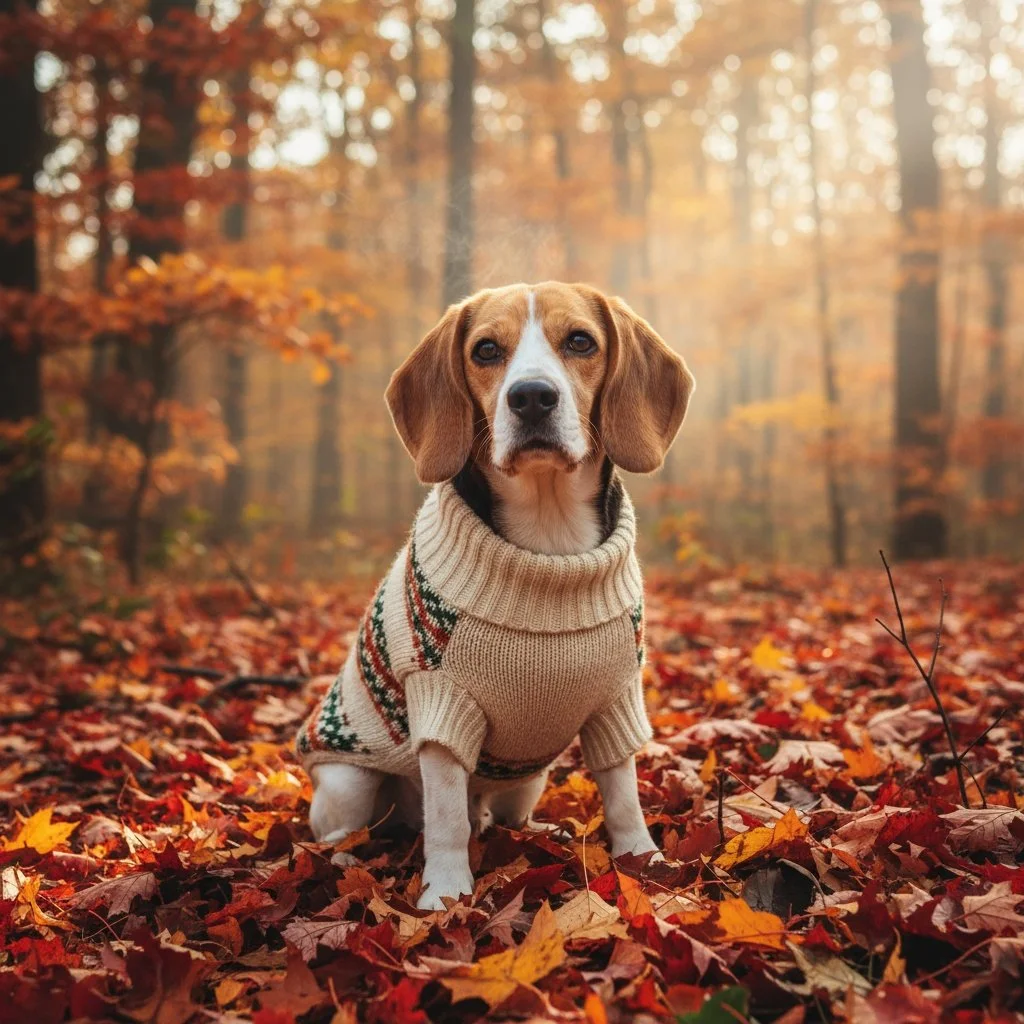
Whether you have a dog, cat, or other pet, preparing for cooler weather ensures they stay comfortable, active, and healthy throughout the season. Let's walk through a comprehensive fall health checklist to make sure your pet is ready for autumn.
Coat Care and Seasonal Shedding
Fall triggers significant coat changes in many pets as they prepare for winter. Understanding and managing these changes is essential for your pet's comfort and your home's cleanliness.
Why Fall Shedding Happens
Most dogs and cats shed their lighter summer coat to make way for a thicker winter coat. This process is triggered by changes in daylight hours rather than temperature, which is why indoor pets still experience seasonal shedding.
What to expect:
Increased shedding for 3-6 weeks
Development of a denser undercoat
Possible changes in coat texture
More frequent hairballs in cats
Fall Grooming Essentials
Increase brushing frequency:
Long-haired breeds: Daily brushing to prevent mats and tangles
Short-haired breeds: 2-3 times per week
Cats: Daily brushing to reduce hairballs
Benefits of regular fall brushing:
Removes dead undercoat before it mats
Distributes natural oils for healthier skin
Reduces shedding around your home
Allows you to check for skin issues, lumps, or parasites
Prevents painful mats that can pull on skin
Bathing Guidelines
Fall weather can dry out your pet's skin, so adjust your bathing routine:
Reduce bath frequency (every 4-8 weeks for most dogs)
Use moisturizing, pet-safe shampoos
Ensure pets are completely dry before going outside in cool weather
Consider adding a coat conditioner to prevent static and dryness
When to See a Groomer
Professional grooming can be especially helpful in fall:
De-shedding treatments to remove loose undercoat
Mat removal for long-haired breeds
Nail trimming (nails grow faster in cooler months)
Sanitary trims to keep pets clean
Joint Health and Arthritis Management
Cooler temperatures can worsen arthritis symptoms in pets, making fall an important time to focus on joint health—especially for senior pets and certain breeds prone to joint issues.
Signs Your Pet May Have Joint Pain
Stiffness after rest, especially in the morning
Reluctance to jump, climb stairs, or play
Limping or favoring one leg
Decreased activity level
Difficulty getting up from lying down
Irritability or sensitivity when touched
Changes in gait or posture
Supporting Joint Health in Fall
Environmental modifications:
Provide orthopedic or heated pet beds
Use ramps or steps for furniture and vehicles
Keep pets warm—cold exacerbates joint pain
Place non-slip rugs on hardwood or tile floors
Elevate food and water bowls for easier access
Exercise adjustments:
Maintain regular, gentle exercise (walking, swimming)
Warm up before exercise with slow walks
Avoid high-impact activities on cold days
Keep sessions shorter but more frequent
Exercise during warmer parts of the day
Supplements and treatments:
Glucosamine and chondroitin supplements
Omega-3 fatty acids for anti-inflammatory benefits
CBD products (consult your vet first)
Prescription pain management if needed
Physical therapy or massage
Breeds at Higher Risk
Certain breeds are more prone to joint issues and may need extra attention in fall:
Large breeds: German Shepherds, Labrador Retrievers, Golden Retrievers
Giant breeds: Great Danes, Mastiffs, Saint Bernards
Small breeds: Dachshunds, Corgis (back issues)
Cats: Maine Coons, Persians, Siamese
Weight Management
Pets tend to gain weight in fall and winter due to decreased activity and increased indoor time. Maintaining a healthy weight is crucial for overall health, especially for joint health.
Why Fall Weight Gain Happens
Shorter days mean less outdoor activity
Cooler weather discourages exercise
Holiday treats and table scraps increase
Evolutionary tendency to store fat for winter
Preventing Fall Weight Gain
Maintain exercise routines:
Commit to daily walks regardless of weather
Try indoor activities: fetch, tug-of-war, puzzle toys
Consider doggy daycare or indoor play facilities
Use treat-dispensing toys for mental and physical stimulation
Monitor food intake:
Measure portions rather than free-feeding
Account for treats in daily calorie counts
Avoid giving table scraps during holiday meals
Consider switching to a lower-calorie food if activity decreases
Regular weigh-ins:
Weigh your pet monthly
Feel their ribs—you should be able to feel them without pressing hard
Watch for a visible waist when viewed from above
Consult your vet if you notice weight gain
Seasonal Allergies
Fall allergies are common in pets, triggered by ragweed, mold spores, and dust mites that thrive in autumn conditions.
Signs of Fall Allergies
Excessive scratching, licking, or chewing
Red, irritated skin
Hot spots or hair loss
Ear infections (head shaking, odor, discharge)
Watery eyes or sneezing
Paw licking or chewing (especially between toes)
Managing Fall Allergies
Reduce exposure:
Wipe paws and coat after outdoor time
Bathe regularly with hypoallergenic shampoo
Keep indoor air clean with HEPA filters
Wash pet bedding weekly in hot water
Vacuum frequently to reduce dust and mold
Treatment options:
Antihistamines (consult your vet for proper dosing)
Omega-3 supplements to reduce inflammation
Prescription allergy medications
Medicated shampoos or sprays
Allergy testing and immunotherapy for severe cases
Parasite Prevention
Many pet parents mistakenly believe parasite prevention can stop in fall, but fleas, ticks, and other parasites remain active well into autumn—and some even thrive in cooler weather.
Fall Parasite Risks
Fleas: Remain active until the first hard freeze; often move indoors as temperatures drop
Ticks: Some species are most active in fall; can transmit Lyme disease, ehrlichiosis, and other illnesses
Heartworm: Mosquitoes remain active in many regions through fall
Intestinal parasites: Wildlife activity increases in fall, raising exposure risk
Year-Round Prevention
Continue monthly flea, tick, and heartworm preventatives year-round
Check for ticks after every outdoor adventure
Keep yards clear of leaf litter where ticks hide
Annual fecal exams to check for intestinal parasites
Nutrition and Hydration
Adjusting Nutrition for Fall
Your pet's nutritional needs may change slightly in cooler weather:
Active outdoor dogs: May need slightly more calories
Less active indoor pets: May need fewer calories to prevent weight gain
Senior pets: May benefit from joint-supporting ingredients
Pets with dry skin: Consider adding omega-3 supplements
Hydration Matters
Pets often drink less in cooler weather, but hydration remains crucial:
Ensure fresh water is always available
Consider a pet water fountain to encourage drinking
Add water or broth to dry food
Monitor urine color (should be light yellow)
Preparing for Temperature Drops
Cold Weather Gear
Some pets need extra protection as temperatures fall:
Pets who benefit from sweaters or coats:
Small breeds with thin coats
Short-haired breeds
Senior pets
Pets with arthritis or joint issues
Puppies and kittens
Choosing appropriate gear:
Ensure proper fit—not too tight or loose
Look for water-resistant materials for rainy days
Consider reflective elements for visibility
Introduce gradually to ensure comfort
Paw Protection
Fall weather can be tough on paws:
Check paws regularly for cracks or dryness
Use pet-safe paw balm to prevent cracking
Trim hair between paw pads to prevent ice balls (late fall)
Consider dog boots for sensitive paws
Indoor Safety and Comfort
As pets spend more time indoors, ensure their environment is safe and comfortable:
Check heating vents and fireplaces—keep pets at a safe distance
Provide cozy beds away from drafts
Ensure adequate mental stimulation with toys and puzzles
Maintain routine even as daylight hours change
Use pet-safe space heaters if needed
Fall Wellness Check
Schedule a veterinary wellness exam in early fall to:
Assess overall health before winter
Discuss joint health and arthritis management
Update vaccinations if needed
Check weight and body condition
Review parasite prevention
Address any seasonal concerns
Early fall is also a good time to stock up on any medications your pet will need through winter.
When to Seek Veterinary Advice
Contact your veterinarian if you notice:
Significant changes in mobility or activity level
Persistent scratching or skin issues
Weight gain or loss
Changes in appetite or thirst
Coughing, sneezing, or respiratory issues
Behavioral changes
Have questions about preparing your pet for fall? Connect with a licensed veterinarian on CanopyVet for personalized guidance and expert advice.
The Bottom Line
Fall is a season of transition, and a little preparation goes a long way in keeping your pet healthy, comfortable, and happy as temperatures drop. By focusing on coat care, joint health, weight management, allergy prevention, and parasite control, you can ensure your furry companion thrives throughout autumn.
Use this checklist as a guide to address your pet's seasonal needs, and don't hesitate to reach out to your veterinarian with any concerns. With the right care and attention, you and your pet can enjoy all the beauty and coziness that fall has to offer.
