
Can Dogs Really Smell Time? The Science Behind Your Dog's Superpower
Your dog always seems to know when you're about to walk through the door. They're waiting by the window, tail wagging, even though you didn't text ahead or follow a strict schedule. How do they do it?
The answer might surprise you: your dog can smell time.
No, really. While we humans rely on clocks and calendars, dogs experience the passage of time through their incredibly powerful sense of smell. It's one of the most fascinating—and least understood—canine superpowers.
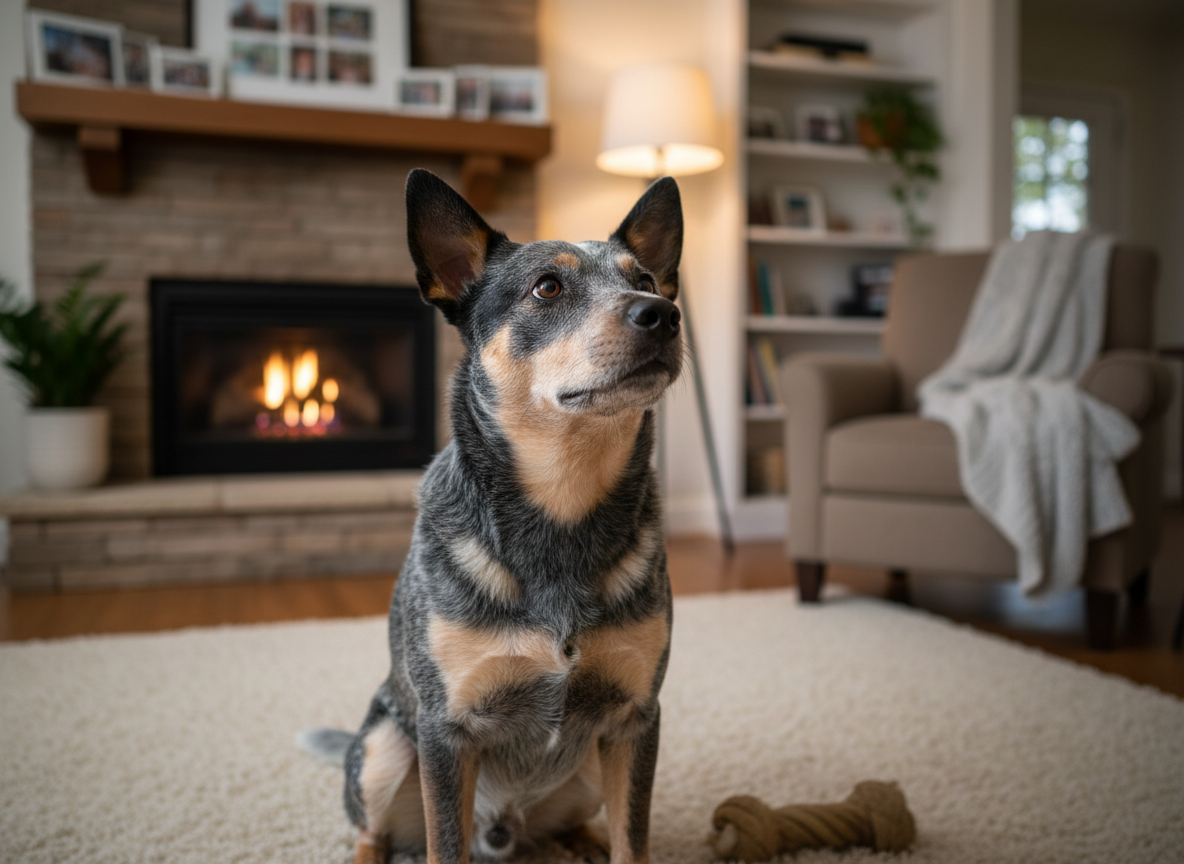
How Dogs Smell Time
Dogs don't just smell what's happening right now. They can detect how scents change and fade over time, essentially creating a "scent timeline" of their environment.
Here's how it works:
Your Scent Fades Like a Clock When you leave the house, your scent is strong. As hours pass, that scent gradually fades and disperses. Your dog's nose is so sensitive that they can detect these subtle changes and use them to estimate how long you've been gone.
Think of it like this: if your scent is at 100% when you leave, it might be at 70% after two hours, 40% after four hours, and 20% after six hours. Your dog learns these patterns and uses them to predict when you'll return.
Air Currents Tell a Story Throughout the day, air currents in your home shift. Morning air smells different from afternoon air. Your dog picks up on these changes—temperature shifts, humidity levels, and how outdoor scents drift inside—to build a mental map of the day's progression.
Routine Reinforces the Pattern If you typically come home around 5 PM, your dog learns that when your scent reaches a certain "faded" level AND the afternoon air currents are present, you're about to walk through the door. It's pattern recognition powered by their nose.
The Science Behind the Superpower
Dogs have up to 300 million olfactory receptors in their noses, compared to our measly 6 million. The part of their brain dedicated to analyzing smells is 40 times larger than ours (proportionally).
This means dogs don't just smell better than us—they smell in a completely different dimension. They can:
Detect scents at concentrations nearly 100 million times lower than humans can
Distinguish between individual scent molecules
Track how scents change and move over time
Research from multiple universities has shown that dogs can indeed use scent degradation to estimate time passage. One study found that dogs could differentiate between their owner being gone for 30 minutes versus 2 hours based solely on scent changes.
Why Your Dog Knows You're Coming Home
Ever notice your dog gets excited right before you arrive, even when you're still blocks away? Here's what's happening:
They Smell Your Approach Depending on wind direction and conditions, your dog might actually smell you (or your car) approaching from several blocks away. Their nose picks up your unique scent signature long before you're visible.
They've Memorized Your Pattern If you come home at roughly the same time each day, your dog has learned the scent pattern associated with that time. When the conditions match, they know you're due home soon.
They Hear You Too Let's be honest—dogs also have incredible hearing. They might hear your car engine, your footsteps, or your keys jingling from much farther away than you'd think. Combined with their time-smelling ability, they're basically prediction machines.
Other Ways Dogs Experience Time Differently
They Live in the Present While dogs can smell the past (fading scents) and anticipate the future (pattern recognition), they primarily live in the present moment. This is why they're always so excited to see you—every reunion feels fresh and joyful.
They Don't Understand "Five Minutes" When you say "I'll be back in five minutes," your dog has no idea what that means. But if you leave and your scent is still strong when you return, they'll learn that pattern and understand "short absence."
Separation Anxiety is Real For some dogs, the fading of your scent triggers anxiety. They don't know if you're coming back, especially if you haven't established a reliable pattern. This is why consistent routines help anxious dogs feel more secure.
How to Use This Knowledge
Understanding that your dog experiences time through smell can help you be a better pet parent:
Establish Consistent Routines The more predictable your schedule, the more secure your dog will feel. They'll learn the scent patterns and know when to expect you.
Leave a Scent Reminder If you're going to be gone longer than usual, leave an item with your scent (like a worn t-shirt) where your dog can access it. It won't stop time, but it might provide comfort.
Don't Make Departures Dramatic Long, emotional goodbyes can increase anxiety. Keep departures calm and matter-of-fact. Your dog will learn that you always come back when the scent pattern is right.
Understand Their Excitement When you come home, your dog isn't just happy—they're relieved and validated. Their scent-based prediction was correct! Let them celebrate.
The Bottom Line
Your dog's ability to smell time is just one of many incredible superpowers they possess. It's a reminder that dogs experience the world in ways we can barely imagine. That wet nose isn't just cute—it's a sophisticated time-tracking device.
So the next time your dog seems to magically know you're about to walk through the door, remember: they didn't read your mind. They smelled your timeline.
Want to learn more about your dog's hidden superpowers? Check out our Bark & Byte podcast for fun, bite-sized explanations of the amazing things your dog can do. Follow CanopyVet for more episodes—we've got lots more to tell you about! 🐾
