
Fall Plants and Flowers That Are Poisoning Pets
Fall brings a burst of color to gardens and homes with seasonal flowers, decorative plants, and spring bulbs being planted for next year's blooms. While these plants create beautiful autumn displays, many popular fall varieties are toxic—sometimes deadly—to pets.
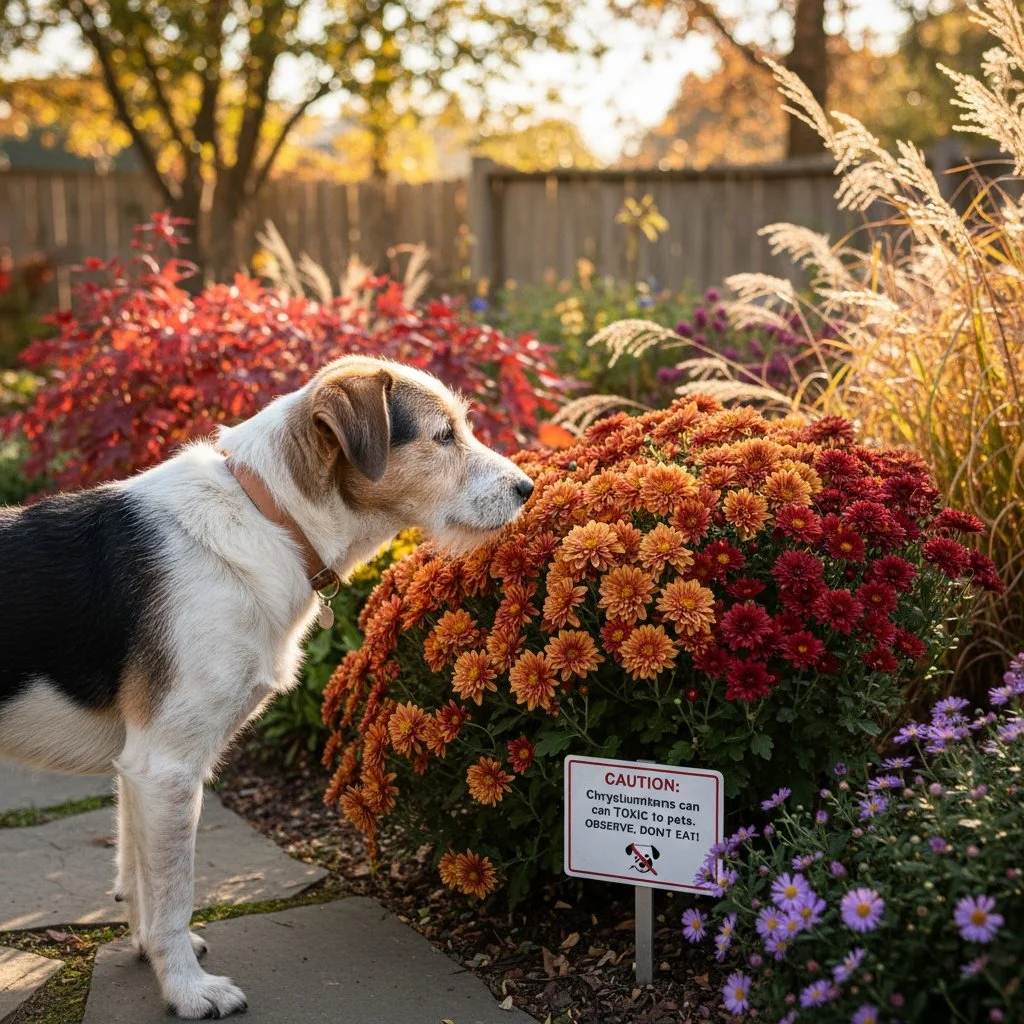
Dogs and cats are naturally curious, and the new sights and smells of fall plantings can be irresistible. Understanding which plants pose risks and how to create a pet-safe environment can prevent tragic poisonings and emergency vet visits. Let's explore the most dangerous fall plants and how to protect your furry family members.
Why Fall is High-Risk for Plant Poisoning
Several factors make autumn particularly dangerous for plant-related pet poisonings:
Bulb planting season: Spring bulbs planted in fall are highly toxic, and freshly dug soil attracts digging dogs
Seasonal decorations: Homes are filled with cut flowers, potted mums, and decorative plants
Yard cleanup: Fallen leaves, acorns, and plant debris may contain toxic materials
Indoor plants: As weather cools, plants are brought inside where curious pets have easier access
Holiday preparations: Early Thanksgiving and Christmas decorating introduces additional toxic plants
The Most Dangerous Fall Plants for Pets
1. Autumn Crocus (Colchicum autumnale)
Toxicity level: EXTREMELY TOXIC—potentially fatal
Often confused with the safer spring crocus, autumn crocus is one of the most poisonous plants for pets. All parts are toxic, containing colchicine, which affects multiple organ systems.
Symptoms (can be delayed 12-24 hours):
Severe vomiting and bloody diarrhea
Drooling and oral irritation
Abdominal pain
Difficulty breathing
Seizures
Liver and kidney failure
Bone marrow suppression
Death, even with treatment
Action: If you suspect ingestion, seek emergency veterinary care immediately. This is a true emergency.
2. Chrysanthemums (Mums)
Toxicity level: MODERATE
These quintessential fall flowers are everywhere—in gardens, on porches, and as indoor decorations. They contain pyrethrins, which are toxic to both dogs and cats.
Symptoms:
Vomiting and diarrhea
Drooling and loss of appetite
Lack of coordination
Skin irritation (if contact occurs)
Depression
While rarely fatal, mums can cause significant discomfort and require veterinary treatment.
3. Amaryllis
Toxicity level: MODERATE TO HIGH
Popular for fall and holiday decorating, amaryllis bulbs are the most toxic part, but all portions of the plant are harmful.
Symptoms:
Vomiting and diarrhea
Abdominal pain
Drooling
Loss of appetite
Tremors
Hypotension (low blood pressure)
Respiratory depression in severe cases
4. Tulip and Daffodil Bulbs
Toxicity level: MODERATE TO HIGH (bulbs are most toxic)
Fall is bulb-planting season, and these spring favorites are being tucked into gardens everywhere. The bulbs contain the highest concentration of toxins.
Why they're especially dangerous in fall:
Freshly planted bulbs are easy for digging dogs to unearth
Bags of bulbs left accessible are tempting to curious pets
The bulbs can look like toys or treats
Symptoms:
Intense gastrointestinal upset
Drooling and vomiting
Diarrhea
Increased heart rate
Changes in respiration
Cardiac arrhythmias (in severe cases)
5. Cyclamen
Toxicity level: MODERATE TO HIGH
These colorful fall and winter bloomers are popular houseplants. The tubers (roots) are most toxic, but all parts can cause problems.
Symptoms:
Intense vomiting and drooling
Diarrhea
Abnormal heart rhythm
Seizures (in severe cases)
Death (rare, but possible with large ingestions)
6. Kalanchoe
Toxicity level: MODERATE TO HIGH
These succulent plants are popular fall decorations and are highly toxic to pets, particularly affecting the heart.
Symptoms:
Vomiting and diarrhea
Abnormal heart rhythm
Collapse
In severe cases, death from cardiac effects
7. English Ivy
Toxicity level: MODERATE
Common in fall decorations and as ground cover, ivy contains triterpenoid saponins.
Symptoms:
Vomiting and diarrhea
Abdominal pain
Drooling
Skin irritation (if contact occurs)
8. Castor Bean Plant
Toxicity level: EXTREMELY TOXIC—potentially fatal
Though less common, castor bean plants may still be found in fall gardens. They contain ricin, one of the most toxic naturally occurring substances.
Symptoms (can be delayed):
Severe vomiting and diarrhea (often bloody)
Abdominal pain
Drooling
Tremors and seizures
Weakness and collapse
Dehydration
Kidney and liver failure
Death
Even small amounts can be fatal. Immediate emergency care is essential.
9. Oleander
Toxicity level: EXTREMELY TOXIC—potentially fatal
All parts of oleander are extremely poisonous, containing cardiac glycosides that affect the heart.
Symptoms:
Drooling and vomiting
Diarrhea
Abnormal heart rate and rhythm
Weakness
Tremors
Collapse
Death from cardiac arrest
10. Sago Palm
Toxicity level: EXTREMELY TOXIC—potentially fatal
Though not a true palm, sago palms are popular ornamental plants. All parts are toxic, but seeds are most dangerous.
Symptoms:
Vomiting and diarrhea
Lethargy
Loss of appetite
Bloody stools
Jaundice (yellowing of skin/gums)
Liver failure
Neurological symptoms
Death (up to 50% fatality rate even with treatment)
Other Toxic Fall Plants
Additional plants to watch for during fall:
Hyacinth bulbs: Gastrointestinal upset, tremors
Iris: Digestive upset, drooling
Yew: Extremely toxic; affects heart and nervous system
Azalea and Rhododendron: Vomiting, diarrhea, cardiac effects
Foxglove: Cardiac toxicity, potentially fatal
Lily of the Valley: Cardiac effects
Poinsettia: Mild irritation (less toxic than commonly believed, but still avoid)
Outdoor Fall Hazards
Acorns and Oak Trees
Acorns contain tannins that can cause gastrointestinal upset and, in large quantities, kidney damage. They're also choking hazards and can cause intestinal blockages.
Fallen Fruit
Rotting apples, pears, and other fruit can ferment, producing alcohol that's toxic to pets. Moldy fruit may also contain mycotoxins.
Compost Piles
Decomposing plant matter can harbor dangerous molds and bacteria. Keep pets away from compost areas.
Creating a Pet-Safe Fall Garden
Prevention strategies:
Research before planting: Check toxicity before adding new plants
Fence off garden areas: Create physical barriers around toxic plants
Supervise outdoor time: Watch pets in the yard, especially during bulb planting
Store bulbs securely: Keep bags of bulbs in locked sheds or garages
Plant bulbs deeply: Makes them harder for dogs to dig up
Cover freshly planted areas: Use chicken wire or garden fabric until soil settles
Train "leave it" command: Essential for preventing plant ingestion
Remove fallen plant material: Clean up dropped flowers, leaves, and seeds
Indoor Plant Safety
Protecting indoor pets:
Elevate plants: Place on high shelves or hanging planters
Use deterrents: Citrus peels, aluminum foil, or pet-safe sprays
Provide alternatives: Cat grass or pet-safe plants for curious nibblers
Secure decorative arrangements: Keep cut flowers out of reach
Monitor water: Even water from toxic plant arrangements can be harmful
Choose pet-safe alternatives: Spider plants, Boston ferns, African violets
What to Do If Your Pet Ingests a Toxic Plant
Immediate action steps:
Stay calm but act quickly: Time is critical in poisoning cases
Remove your pet from the plant: Prevent further ingestion
Identify the plant: Take a photo or bring a sample to the vet
Call your veterinarian immediately: Or an emergency vet clinic
Contact poison control: ASPCA Animal Poison Control: (888) 426-4435 or Pet Poison Helpline: (855) 764-7661
Do NOT induce vomiting: Unless specifically instructed by a veterinarian
Do NOT give home remedies: Milk, oil, or other substances can make things worse
Save packaging or plant parts: Helps with identification and treatment
Information to provide:
Plant name or description
Which part was eaten (leaves, bulb, flowers)
Approximate amount ingested
When ingestion occurred
Your pet's weight
Current symptoms
Treatment and Prognosis
Treatment depends on the plant, amount ingested, and time elapsed.
Common treatments include:
Decontamination: Induced vomiting (if appropriate and timely)
Activated charcoal: Binds toxins in the digestive system
IV fluids: Supports kidney function and prevents dehydration
Medications: To control symptoms (anti-nausea, heart medications, etc.)
Monitoring: Bloodwork to assess organ function
Supportive care: Hospitalization for severe cases
Prognosis varies widely based on the plant and how quickly treatment begins. Some plants cause mild, temporary symptoms, while others can be fatal despite aggressive treatment.
Pet-Safe Fall Plant Alternatives
You don't have to sacrifice beauty for safety. Many gorgeous fall plants are non-toxic:
Safe fall flowers and plants:
Asters
Celosia
Marigolds
Petunias
Snapdragons
Sunflowers
Zinnias
African violets (indoor)
Boston ferns (indoor)
Spider plants (indoor)
Always verify safety for your specific pet species, as toxicity can vary between dogs and cats.
When to Seek Veterinary Care
Contact your veterinarian immediately if:
You witness or suspect plant ingestion
Your pet shows any symptoms after being near plants
Vomiting, diarrhea, or drooling occurs
Behavioral changes, lethargy, or weakness develop
Difficulty breathing or abnormal heart rate
Seizures or tremors
Collapse or inability to stand
Don't wait for symptoms to worsen. Early intervention dramatically improves outcomes.
Have questions about a plant your pet encountered or symptoms you're observing? Connect with a licensed veterinarian on CanopyVet for immediate guidance on whether emergency care is needed.
The Bottom Line
Fall's beautiful plants and flowers can pose serious risks to curious pets. From extremely toxic autumn crocus and sago palms to the more common but still dangerous mums and amaryllis, many popular fall plants can cause anything from mild discomfort to fatal poisoning.
Prevention is your best strategy: research plants before bringing them home, create physical barriers in gardens, supervise outdoor time, and know which plants are in your environment. If ingestion occurs, quick action and immediate veterinary care can make the difference between a full recovery and a tragic outcome.
By choosing pet-safe alternatives and staying vigilant about toxic plants, you can create a beautiful fall environment that's safe for every member of your family—furry ones included.
Stay safe and enjoy a beautiful, pet-friendly fall! 🍂🌸
